



Green Alder (Alnus viridis): Its Benefits, Properties, Uses In Herbal Teas and Boreal Cuisine
Introduction to The World of Green Alder
Hidden in the heart of Quebec's vast and majestic boreal forest lies an aromatic treasure still largely unknown to the general public: dune pepper. Far from being a pepper in the botanical sense, this unique spice actually comes from a resilient shrub typical of our region, the European alder.
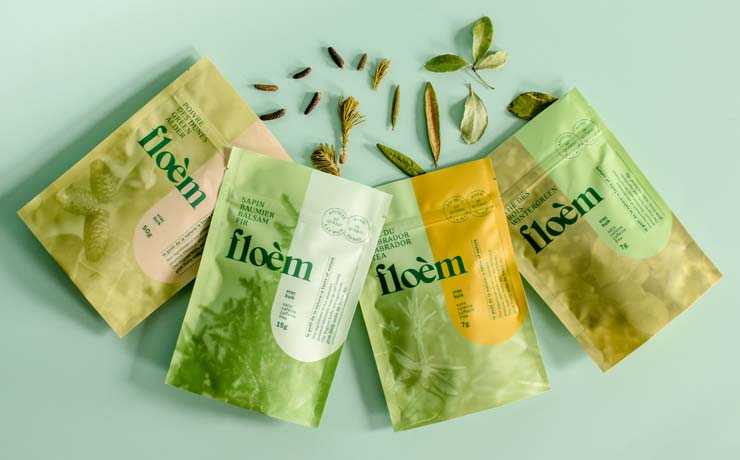
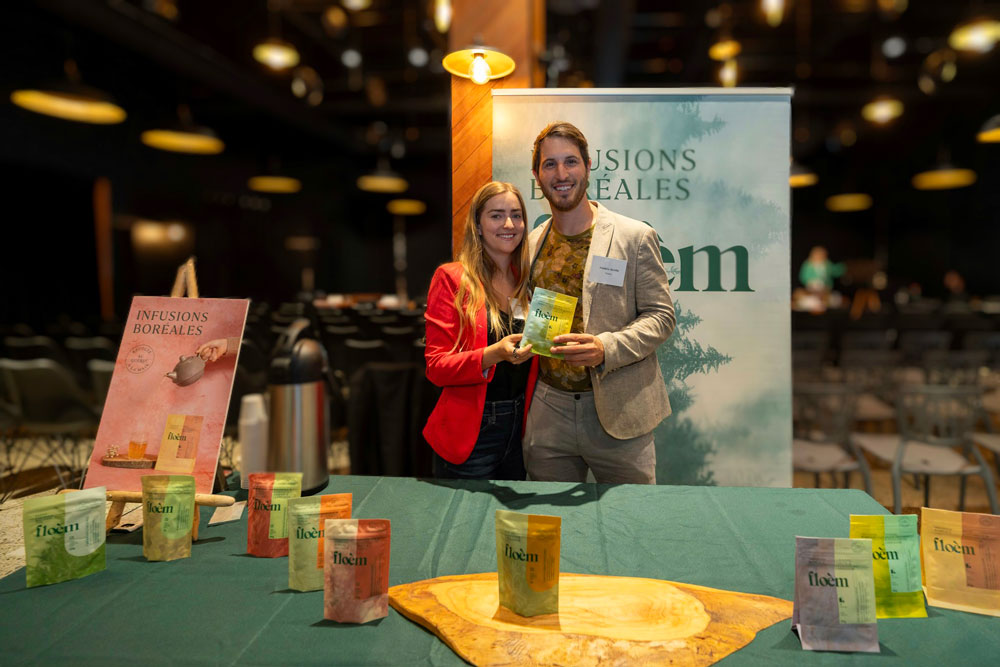
At Floèm, our mission is to introduce you to these jewels of northern flora, creating infusions and products that celebrate the authentic flavors of the boreal forest, like our Green Alder. Our harvesters, passionate about the richness of Quebec's nature, hand-pick these precious ingredients to create infusions and products that celebrate the authentic flavors of the boreal forest.
This article invites you on a journey into the heart of this fascinating world. Together, we will explore the history, botany, benefits, and many uses of this exceptional spice that deserves to be better known. Prepare to delve into the world of Green Alder, a true expression of Quebec's northern character, and understand why it is increasingly becoming a staple in cooking and wellness.

Green Alder: An Introduction
What is Green Alder?
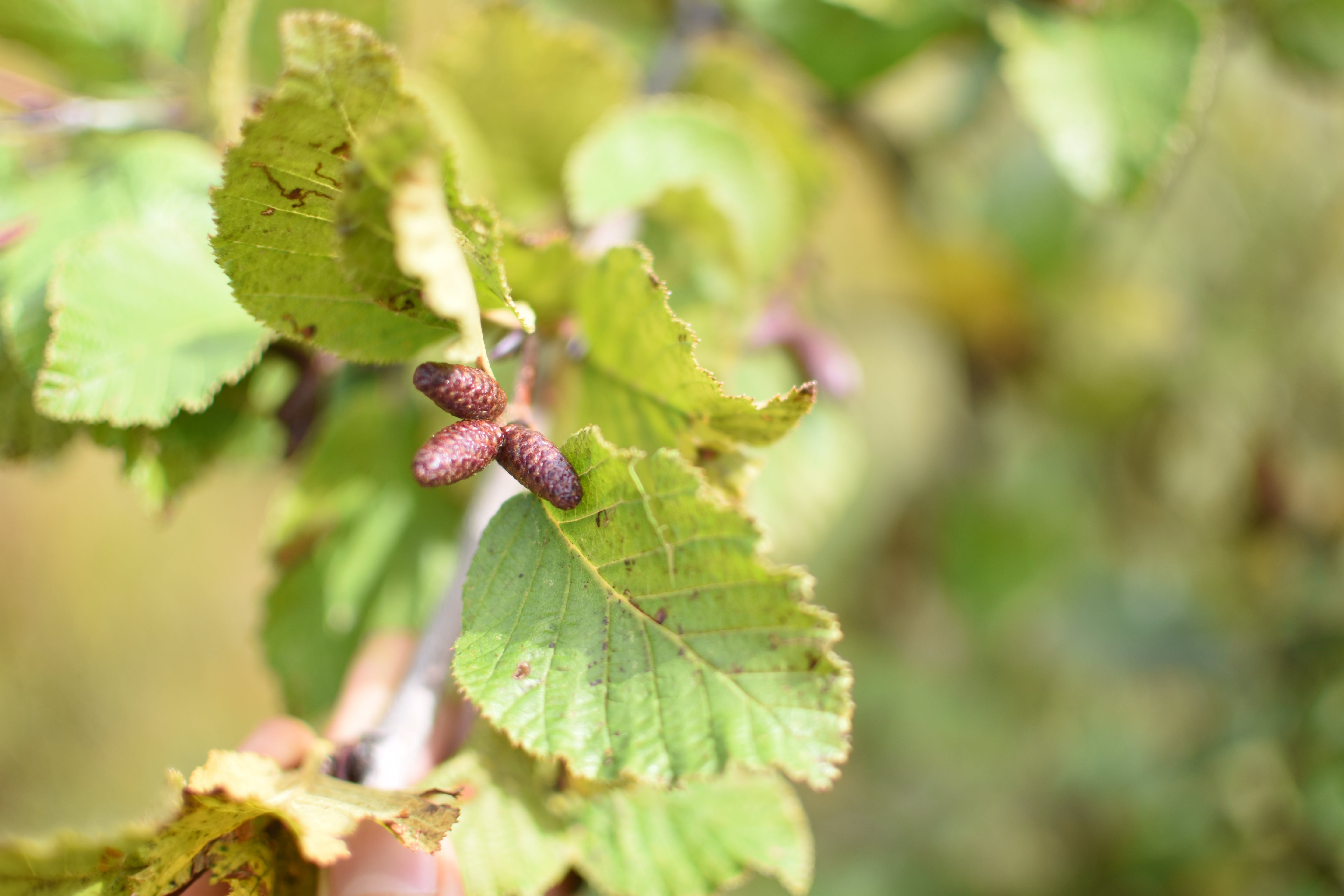
Green Alder, also called crisp alder or alder pepper, does not belong to the Piperaceae family, like traditional peppers (black, white, green). It is actually the male catkins – the inflorescences shaped like small, elongated cones – of a shrub called crisp alder ( Alnus viridis subsp. crispa ). This shrub, which grows abundantly in the northern regions of Quebec, produces these catkins which, once harvested and dried, develop complex and powerful aromas reminiscent of pepper, hence its common name.
It is therefore a 100% local spice, a product of our land that embodies the spirit of the boreal forest. The environment can be valued creatively and respectfully. The growing popularity of Green Alder reflects a rising interest in local flavors and products from sustainable wild harvesting, a philosophy at the heart of Floèm's values.
What Does Green Alder Taste Like?
The aromatic profile of dune pepper is unparalleled and constitutes its greatest asset. It is often described as complex, powerful, and deeply evocative of the boreal forest. On tasting, one discovers a slightly pungent flavor, but much milder and more aromatic than that of black pepper. The dominant notes are resinous and woody, reminiscent of balsam fir and cedar, which is not surprising given its habitat.
These forest aromas are complemented by floral, almost musky touches, and subtly fruity notes that lean towards citrus. Some even find similarities with long pepper or cloves, with a slightly bitter finish that can be more pronounced if the spice is infused for too long or at too high a temperature. It is this complexity that makes it an incredibly versatile spice, capable of enhancing a wide variety of dishes, from the most savory to the most sweet.
What are the Origins and Historical Overview of Green Alder ?
The use of the true alder and its catkins is not new. Indigenous peoples of North America, particularly the First Nations of Quebec, have known and used this shrub for generations. True alder was an integral part of their traditional medicine. The bark, in particular, was used for its astringent properties in the treatment of various ailments. The catkins, meanwhile, were sometimes eaten as a survival food in winter, as they are a source of protein, vitamins, and minerals.
Traditional uses also included smoking fish, where alder wood imparted a distinctive flavor. While its use as a spice, as we know it today, is a more modern rediscovery, popularized by chefs and artisans of boreal cuisine, it is rooted in deep ancestral knowledge. This rich history gives dune pepper an important cultural dimension, connecting us directly to the traditions and wisdom of the peoples who inhabited this land long before us.

The Main Benefits of Green Alder: Edible, Medicinal, Wellness
The fascination with dune pepper lies not only in its unique flavor. It's a multifaceted ingredient with applications that extend far beyond gastronomy. From a comforting cup of tea to its traditional health uses, the dune pepper is a remarkably versatile plant.
Green Alder in Herbal Tea
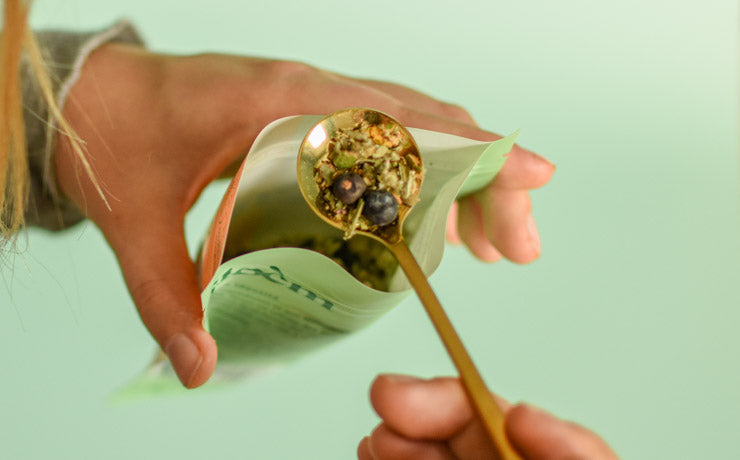
Infusing dune pepper gently releases its complex aromas. As an herbal tea, it offers a comforting beverage with a woody and slightly spicy taste. It's an excellent way to enjoy its flavors and soothing properties. Dune pepper infusion can be enjoyed on its own or blended with other boreal plants, such as Labrador tea or fir needles , to create distinctly Quebecois flavor synergies. Our Aronia & Alder herbal tea is a beautiful example. This blend, with its piney, slightly bitter, and decidedly foresty aromas, evokes conifers, damp moss, and the filtered light of the undergrowth. Aronia adds a fruity and vibrant note, while dune pepper grounds the blend in the rich sensory experience of the boreal forest.
Beyond its delicious taste, drinking alder tea is part of a long tradition of herbalism where infusions of local plants were used for general well-being. A cup of dune pepper tea after a meal can, for example, aid digestion. It's a simple ritual that reconnects us with nature and its benefits.
Green Alder in Cooking
It is in the kitchen that dune pepper reveals the full extent of its aromatic range. It has become one of the emblematic spices of boreal cuisine. Its versatility is astonishing: it can replace black pepper in most recipes, while bringing an inimitable complexity and Nordic touch. It pairs wonderfully with meats, especially game, which it enhances in marinades, stews, or simply sprinkled on at the end of cooking.
Fish and seafood, root vegetable dishes, soups, and creamy sauces also benefit from its unique flavor. But where it truly shines is in desserts. Its affinity with dark chocolate is remarkable, creating ganaches or tarts of astonishing depth. It also pairs perfectly with fruits like apples, pears, or berries, as well as with maple syrup, for sweet creations that are anything but ordinary.
Green Alder for health
Traditional First Nations knowledge teaches us that the white alder possesses numerous medicinal properties. The bark and leaves were primarily used for their astringent and tonic properties, and to treat fever. For example, it was used to stop bleeding or applied to wounds to promote healing.
Decoctions of the plant were also used to relieve digestive problems, such as intestinal gas, and to stimulate the appetite. Although modern scientific research on catkins specifically is still limited, these traditional uses suggest the presence of interesting active compounds, such as tannins and other molecules with anti-inflammatory and antimicrobial properties. This valuable heritage invites us to consider dune pepper not only as a spice, but also as a potential ally for our health.
Green Alder for Well-Being (Aromatherapy, If Applicable)
The powerful and evocative aroma of dune pepper makes it an interesting candidate for wellness and aromatherapy applications. Its resinous and woody scent has both invigorating and calming effects, transporting the mind to the heart of the Quebec forest. Inhaling its aromas, whether through infusion or simply by grinding a few peppercorns, can promote a feeling of calm and connection to nature.
One can imagine using it in homemade body products, such as aromatic bath salts for a relaxing and decongesting bath, or infused in a massage oil to combine the benefits of touch with those of its fragrance. Although aromatherapy with dune pepper is not yet widely used, its rich olfactory profile opens the door to numerous creative experiments to incorporate its beneficial scent into our daily wellness rituals.

Everything You Need to Know About The Ingredient Green Alder
To fully appreciate dune pepper, it's fascinating to delve into the plant that gives it life. The common alder is much more than just a source of spice; it's a keystone shrub in our northern ecosystems. This section offers a complete botanical portrait, from its scientific name to its physical characteristics, to help you get to know it better and even identify it in its natural habitat.
Green Alder: Botanical Name, Synonyms
Navigating the world of plants requires a certain degree of terminological precision. A plant's common name may vary from region to region, but its botanical name is a universal reference. Let's clarify the identity of our precious shrub.
The Scientific Name And Etymology of The Green alder
The scientific name for the green alder is Alnus viridis subsp. crispa . Let's break down this name to better understand it. The genus, Alnus , is the classic Latin name for alders. The specific epithet, viridis , means "green" in Latin, referring to the bright color of its leaves.
The term subsp. indicates that it is a subspecies, a subdivision within the species Alnus viridis (the green alder). Finally, crispa means "curly" or "wavy" in Latin, a very apt description of the edges of its leaves, which are finely toothed and appear curled. This botanical name is therefore a true portrait of the plant.
Where Does The Name Green Alder and The Other Common Names of the Green Alder come from?
The most evocative name, "dune pepper," comes from two of its main characteristics. "Pepper" refers to its slightly pungent taste and its use as a condiment, although it is not a true pepper. "Dune" evokes one of its preferred habitats: sandy environments and poor soils, often along the edges of lakes or rivers, which can resemble dune landscapes.
Besides dune pepper, the green alder is also known by other common names. It is simply called "American green alder" or "mountain alder." These names respectively highlight its geographic origin and its ability to grow at high altitudes. The term "late alder" is sometimes used, in contrast to "early alder" (rough alder), although this terminology can be confusing.
Where Does Dune Pepper Come From?
The common alder is a shrub native to North America, with a very wide distribution. Its range extends from Alaska to Newfoundland and Labrador and Greenland, southward across Canada and into parts of the United States, including New England and the Appalachians. In Quebec, it is particularly abundant and found over much of the province, especially north of the St. Lawrence River.
This widespread presence testifies to its incredible ability to adapt to harsh climates and varied soils. It plays a fundamental ecological role as a pioneer species. Thanks to a symbiosis with bacteria present in its roots, the true alder can fix atmospheric nitrogen and integrate it into the soil, thus enriching poor land and paving the way for the establishment of other plant species. It is a true ecosystem builder.

Detailed Description of The Green Alder and Its Natural Habitat
For foragers and nature lovers, being able to identify a plant with certainty is essential. Let's learn to recognize the common alder through a precise description of its appearance and habitats.
What Does The Green Alder Look Like? (visual appearance and shape)
The common alder typically grows as a bushy shrub, often with several stems growing from the base. It forms dense clumps that can be difficult to penetrate. Its bark is relatively smooth, even on older stems, greyish-brown in color, and dotted with small, inconspicuous lenticels (pores that allow for gas exchange).
Its silhouette is upright but can also be more spreading, depending on growing conditions. It is a vigorous and hardy shrub, well adapted to the rigors of the northern climate. Its branching form makes it an excellent choice for stabilizing riverbanks or creating natural hedges.
What are The Colors of the Green Alder?
The color palette of the green alder is subtle but distinctive. Its leaves are a glossy green on top and a paler green, sometimes slightly downy, underneath. Young twigs are often hairless. The bark, as mentioned, is grayish-brown.
The flowers add a touch of color in spring. The male catkins, which will become dune pepper, are elongated and greenish-yellow when they release their pollen. The female catkins, smaller and more discreet, are greenish and will develop into small, woody cones called strobiles, which turn from green to dark brown when mature and remain on the tree throughout the winter.
What Is The Size of The Green Alder and What Is Its Natural Habitat?
The common alder is a medium-sized shrub, generally reaching a height of 2 to 3 meters, although it can sometimes slightly exceed this size under optimal conditions. Its adaptability is remarkable. It is found in a wide variety of habitats, from sea level up to 2000 meters in altitude.
It colonizes poor soils, whether sandy, gravelly, or rocky. It is a shrub typical of disturbed sites: it is frequently found on the banks of lakes and streams, at the edges of peat bogs, on scree slopes, and in areas regenerating after a forest fire or logging. It prefers open, sunny locations, as it does not tolerate dense forest cover well.
What are The Characteristics of The Green Alder?
For unambiguous identification, one must observe the details. The leaves of the crisp alder are alternate, oval or elliptical in shape. Their most distinctive characteristic is their doubly and finely toothed margin, which gives them their "crispy" or curled appearance. They are slightly sticky to the touch when young.
The flowers are unisexual catkins, but all are found on the same shrub (monoecious species). The male catkins are long and drooping when mature (in spring), while the female catkins are small, erect, and ovoid. An important characteristic to distinguish it from speckled alder ( Alnus incana subsp. rugosa ), with which it is often confused, is that the male catkins of speckled alder are erect during the winter, whereas those of speckled alder are drooping.
The fruit is not a fleshy fruit, but a small woody cone called a strobilus, which resembles a miniature conifer cone. These strobiles, which develop from the maturation of the female catkins, persist on the shrub for several months, or even years, and release small winged seeds (samaras) that are dispersed by the wind.
How To Harvest Green Alder
Harvesting dune pepper is an enriching activity that connects us directly with nature. However, it must be practiced with knowledge and respect to ensure the sustainability of the resource and the quality of the harvest. Here are the key principles of responsible harvesting .
Where Does Green Alder Grow and Where Is It Harvested ?
As we have seen, the green alder grows abundantly in many regions of Quebec, particularly on the North Shore, in Saguenay-Lac-Saint-Jean, in Abitibi and in the Lower St. Lawrence. It is found in open habitats and on poor soils: rocky outcrops, edges of forest roads, old gravel pits, and especially along the banks of lakes and rivers.
For harvesting, it is essential to choose clean sites, far from sources of pollution such as busy roads or agricultural spraying areas. Prioritize locations where the shrub is abundant to minimize the impact of your harvest on a small population. Always ensure you have the right to access the land where you wish to harvest.
Which Part of The Green Alder Should be Harvested and In What Quantity ?
The part harvested to make dune pepper is the male catkin . These are the longest and fleshiest inflorescences. It is important not to confuse them with the female catkins, which are smaller, rounder, and will become the woody cones. Harvesting takes place on the catkins formed during the previous summer, which will overwinter on the tree before releasing their pollen in the spring.
Moderation is key to sustainable harvesting. A golden rule is to never take more than 10 to 20% of the catkins available on a single shrub, and not to pick all the shrubs in the same area. This approach ensures that the plant can reproduce and that wildlife, such as certain birds and small mammals that feed on the catkins in winter, will have enough food.
What tools should be used to harvest Green Alder?
Harvesting dune pepper doesn't require complex equipment. The catkins detach quite easily by hand. However, using small pruning shears or clean scissors allows for a clean cut without damaging the branch, which is better for the health of the shrub.
Wear gloves, as the catkins can be resinous, especially if picked in milder weather. A basket, cloth bag, or bucket is ideal for collecting your harvest. Avoid plastic bags, which don't allow air to circulate and could cause the catkins to mold.

What are The Transformation Methods?
Once the harvest is complete, the work isn't finished. Processing is a crucial step that will determine the final quality of your spice. Proper drying is essential to develop the aromas and ensure good preservation.
Factors Influencing The Quality of Green Alder
Several factors influence the aromatic profile and quality of dune pepper. The terroir—that is, the type of soil, the amount of sunshine, and the climate of the harvesting region—plays a role in the complexity of the flavors. A shrub growing on rocky, dry soil will not taste quite the same as one growing on the damp shore of a lake.
The timing of the harvest is also crucial. Picking in early autumn will yield catkins that are more resinous and have a more intense flavor, while harvesting in the dead of winter, in very cold weather, will produce catkins that are less resinous, drier, and have a more subtle taste. The choice depends on the desired aromatic intensity.
The Harvest Season, The Processing…
The ideal harvest season for dune pepper extends from late autumn to late winter, or even into early spring before the snow melts. Harvesting can begin as soon as the leaves have fallen and the catkins are well-formed, generally from October onwards, and continue until March or early April.
After harvesting, the first step in processing is sorting. Debris (small branches, leaves) must be removed to ensure that only high-quality catkins are used. Next comes the key step: drying. This concentrates the flavors and prevents the development of mold.
What Can Alter The Quality of Green Alder ?
Several factors can negatively impact the quality of your spices. Excessive humidity during drying is the number one enemy; it can lead to mold growth, rendering the product unfit for consumption. Poor ventilation will have the same effect.
Harvesting at the wrong time can also compromise quality. If the catkins are picked too early in the season, they won't have developed their full aromatic complexity. If they are picked too late in the spring, when they are just beginning to open and release their pollen, their texture and flavor will be less appealing. Finally, direct sunlight or excessive heat during drying can degrade the essential oils and diminish the aromas.
How To Dry Green Alder?
The best method for drying dune pepper is slow, open-air drying. Spread the catkins in a single layer on a rack, mesh, or large tray lined with parchment paper or a clean cloth. The important thing is that air can circulate freely around the catkins.
Place your drying setup in a dry, well-ventilated room, away from direct sunlight. Drying time can vary from one to three weeks, depending on the ambient humidity and the size of the catkins. You'll know the dune pepper is ready when it's completely dry to the touch and breaks easily between your fingers. The inside should still have a greenish tinge, a sign that the flavors have been well preserved.
Green Alder Storage: Recommendations
Once your dune pepper is perfectly dried, proper storage is essential to preserve its freshness and aroma for as long as possible. Here are a few simple tips to achieve this.
How To Preserve Green Alder?
The secret to proper preservation lies in protecting it from its four enemies: air, light, heat, and humidity. Store your dune pepper whole (unground) in an airtight container, such as a glass jar with a good lid. Metal or opaque ceramic containers are also excellent choices.
Store the container in a cool, dry place away from direct sunlight, such as a kitchen cabinet or pantry. Avoid storing it near the stove or other heat sources, as temperature fluctuations can degrade the essential oils and alter the taste.
How Long Can Green Alder be Stored?
When stored whole and under optimal conditions, dune pepper can retain its aromatic qualities for at least one to two years. Like all spices, it doesn't "expire" in the strict sense, but it will gradually lose its potency and complexity over time.
To fully appreciate its flavor, it's recommended to grind or crush it only just before use. The grinding process releases the aromas, and doing so at the last minute guarantees a much more intense taste experience. Trust your nose: if the aroma is still strong and pleasant when you open the jar, your dune pepper is still excellent to use.

Traditional and Historical Medicinal Uses of the Green Alder
The history of the common alder is closely linked to that of the peoples who lived deep in the boreal forest. Long before chefs took an interest in it, this shrub was a valuable resource, used for its many properties. Let's delve into the past to discover the role of the common alder in ancestral practices.
The Alder, Rigid in Ancestral Practices
The First Nations had a deep knowledge of their environment and the plants around them. Every part of the curly alder had a use, whether for medicine, food or daily needs, demonstrating a relationship of respect and ingenuity with nature.
How Was The Green Alder Used In The Past?
The medicinal uses of the white alder were varied. The inner bark, rich in tannins, was particularly valued for its astringent properties. The Cree, for example, used it to treat various ailments. A decoction of the bark served as a tonic, a remedy for stomach ailments, and to reduce fever.
Externally, the bark or leaves were used as poultices to treat wounds, skin infections, and stop bleeding. The plant was also used in steam baths for certain purification rituals or specific treatments. This knowledge, passed down through generations, underscores the importance of the yellow alder in traditional Indigenous medicine.
What Were the Culinary Uses of Green Alder?
While using catkins as "pepper" is a relatively modern trend, alder catkins were not absent from the traditional diet. In times of scarcity, particularly during long winters, alder catkins provided a survival food source.
Rich in protein and nutrients, they could be eaten raw or dried. Once dried, they were sometimes ground and added to flours to enrich them and improve their nutritional value. This was an ingenious way to use available resources to ensure subsistence in a sometimes harsh environment.
The Religious or Spiritual Use of The Green Alder
Although specific information on the religious or spiritual use of the true alder is less documented than its medicinal uses, it is certain that plants playing such an important role in daily life were held in high esteem. In many Indigenous cultures, medicinal plants are considered gifts from the Creator, and their harvesting is accompanied by rituals and prayers.
Alder wood was also used for smoking fish, a practice that, beyond preserving food, could also have ritualistic dimensions. Smoke itself is often seen as a means of purification or communication with the spirit world. The curly alder, as a central element of the boreal ecosystem, was therefore an integral part of the cultural and spiritual landscape of the peoples who lived there.
The Cultural Importance of the Green Alder
The cultural significance of the green alder extends beyond its direct uses. As a pioneer species capable of regenerating soils, it symbolizes resilience, growth, and renewal. Its presence ensured the health of the ecosystem, which was fundamental for peoples whose survival depended on hunting, fishing, and gathering.
The alder also provided habitat for numerous animal species, which were themselves sources of food and materials. For example, moose and deer feed on its young shoots. Thus, the white alder was an essential link in the chain of life, and its presence was a sign of the forest's vitality. Knowing and using it meant participating in this balance.

The Health Benefits of Green Alder
Inspired by traditional knowledge and herbalism, let's explore the potential health benefits of dune pepper and curly alder. While modern science is only just beginning to study them, ancestral uses offer valuable insights into their properties.
Properties and Effects of Green Alder on The Body
The effects of curly alder on the human body are linked to the chemical compounds it contains. Tannins, for example, are responsible for its astringent effects, while other molecules could explain its anti-inflammatory and tonic actions.
What Are The Properties of The Green Alder?
Based on traditional uses, several interesting properties are attributed to the true alder:
- Astringent: thanks to its richness in tannins, it can help tighten tissues and reduce secretions, which explains its use to stop bleeding and treat skin problems.
- Tonics: it was used as a general tonic to restore vigor and well-being.
- Fever reducers: decoctions of the plant were used to help lower fever.
- Stomachic and carminative: it helped to relieve stomach aches and reduce intestinal gas.
- Anti-inflammatory and antimicrobial properties: these properties, although less documented, are likely given its use in treating infections and wounds.
Benefits of Green Alder by Category
To better understand how the curly alder can benefit us, let us organize its potential benefits by system or type of application, always based on its traditional heritage.
Green Alder for Digestion
As a tonic and stomachic, the alder tree was traditionally used to support the digestive system. An infusion of its catkins (dune pepper) or its bark could be consumed to stimulate the appetite or to soothe the stomach after a heavy meal.
Its carminative properties helped combat aerophagia and bloating. Drinking dune pepper tea could therefore be a simple and natural way to promote better digestive comfort on a daily basis.
Green Alder for the immune system
Although traditional uses do not refer to the "immune system" in the terms we use today, several of its applications suggest a supportive effect on the body's defenses. Its use as a general tonic aimed to strengthen the body and make it more resilient.
Its fever-reducing properties and use against infections indicate that it helped the body fight off external threats. The plant's potential antimicrobial and anti-inflammatory compounds may play a role in this ability to support the body's natural defense mechanisms.
Green Alder for The Skin
The external application of alder is one of its best-documented uses. As a poultice or decoction for washing wounds, its astringent and hemostatic properties were highly valued for cleaning injuries, stopping minor bleeding, and promoting good healing.
These same properties make it a potentially interesting ingredient for skincare, particularly for oily or problem skin. It could help tighten pores and purify the skin. Its calming (anti-pruritic) action could also soothe itching associated with various skin conditions.

How To Consume or Use The Green Alder Ingredient?
Now that you know the history, botany, and benefits of dune pepper, it's time to put it into practice! Incorporating this boreal spice into your daily life is simple and fun. Here's a complete guide to help you use it in all its forms.
Different Forms of Green Alder-based products
Dune pepper comes in several forms, each suited to specific uses. Whether you're an adventurous cook, a tea lover, or a fan of homemade goodness, you'll find a way to enjoy this ingredient.
Green Alder in herbal tea
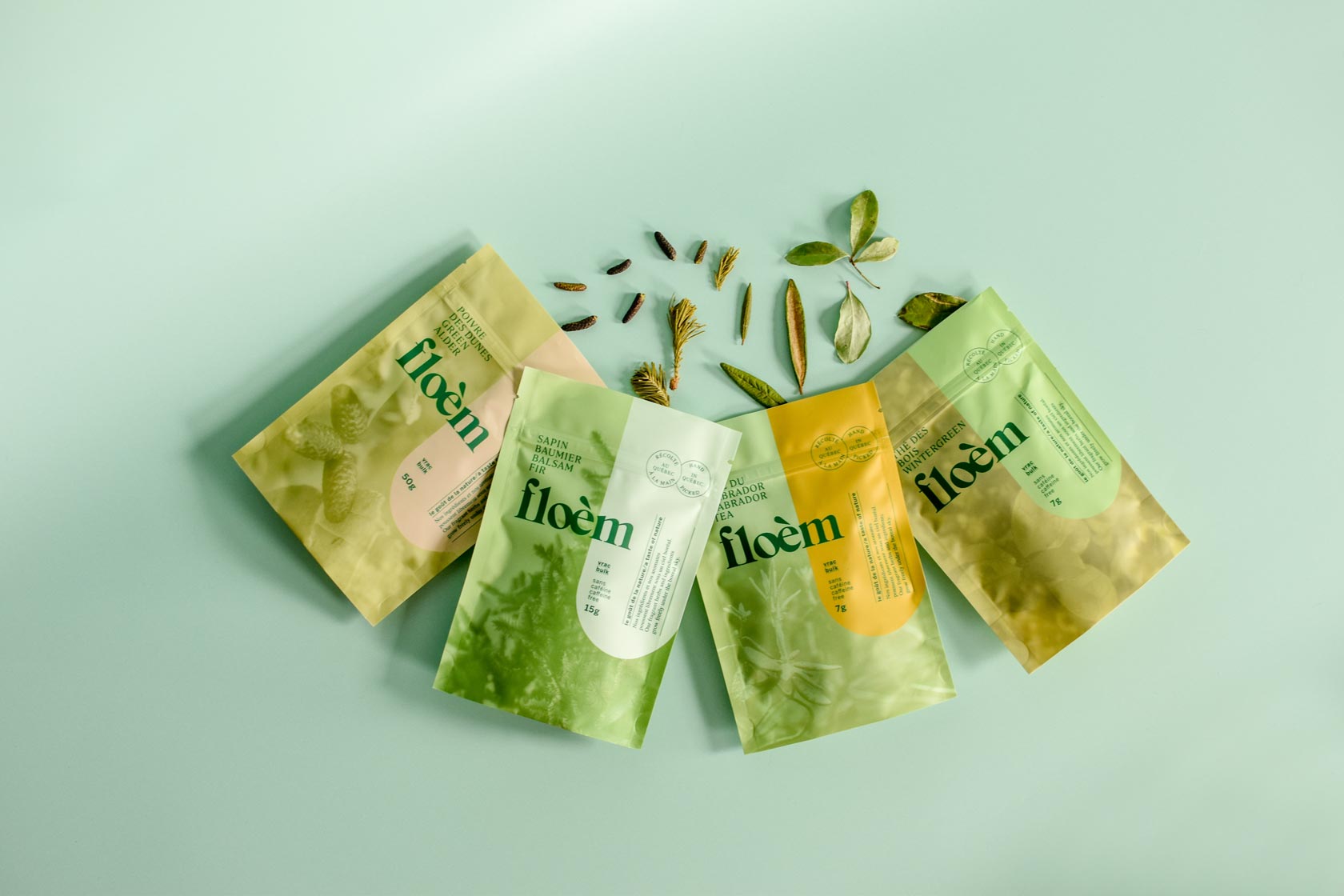
Dune pepper is an excellent ingredient for infusions. Sold whole, it can be added to your favorite herbal tea blends to give them a woody and spicy touch. Floèm, for example, incorporates it into its creations to celebrate the flavors of the boreal forest.
Used on its own, it produces a clear infusion with a unique aroma, ideal for a relaxing moment. It's a very accessible way to discover its aromatic profile. The infusion allows for a gentle extraction of flavors, which is perfect for a first experience.
Green Alder in cooking
This is the most common form. Dune pepper is sold whole, in dried catkins. This is the ideal format, as it preserves the aromas for as long as possible. You can then grind or crush it as needed.
Some stores also offer it already ground, which is convenient for quick use. It is also an ingredient in many boreal spice blends, flavored salts, and dry rubs, providing a ready-made solution for flavoring your dishes.
Green Alder in homemade body care
For those who enjoy DIY projects, whole dune pepper is a fantastic base for creating unique skincare products. You can infuse it in a carrier oil (such as sweet almond or sunflower oil) to create an aromatic and relaxing massage oil.
Coarsely ground, it can be mixed with Epsom salt to make invigorating bath salts, perfect for relieving muscle tension and clearing the airways thanks to its resinous scent. The possibilities are endless for those who like to experiment.
Methods for preparing Green Alder : Recipes and Instructions
Ready to get your hands dirty? Here are some concrete ideas and precise instructions for cooking and infusing dune pepper like a chef.
Recipe Ideas Using Green Alder
The versatility of dune pepper allows it to be incorporated into a multitude of recipes:
- Marinade for game or red meat: Grind the dune pepper and mix it with garlic, juniper berries, and a little oil. Rub the meat with this mixture before cooking.
- Maple-glazed salmon: Generously sprinkle freshly ground dune pepper over salmon fillets before coating them with maple syrup and baking them in the oven.
- Creamy pasta sauce: Infuse a few whole kittens in hot cream for about ten minutes, then remove them before finishing your sauce.
- Boreal Vinaigrette: Add a pinch of ground dune pepper to your homemade vinaigrette made with oil, cider vinegar and a touch of maple syrup.
- Chocolate desserts: Incorporate finely ground dune pepper into a brownie, truffle, or chocolate tart recipe for a deep and surprising flavor.
- Spiced cakes and biscuits: Replace some of the cinnamon or allspice with dune pepper in your apple cake or shortbread biscuit recipes.
Find suggestions for its uses in our dedicated publication.
How to infuse Green Alder into herbal tea?
Preparing dune pepper tea is very simple. For one cup (approximately 250 ml), use 1 to 2 teaspoons of whole catkins.
Bring water to a simmer (around 90-95°C, just before boiling). Place the catkins in an infuser, teapot, or directly in your cup. Pour the hot water over them and let them steep for 5 to 7 minutes. A longer steeping time may result in a more pronounced bitterness. Strain and enjoy, plain or with a touch of maple syrup.
How much Green Alder should I consume?
Dune pepper has a strong flavor, so it's best to start with small amounts and adjust to your liking. For use as table pepper, one or two pinches per plate are usually sufficient.
In stews, you can use 3 to 5 whole kittens for a dish serving four, removing them before serving if you prefer a more subtle, infused flavor. In baking, half a teaspoon of ground pepper is a good starting point for a standard cake recipe. Feel free to taste and adjust the seasoning as you go.
Usage tips and precautions for Green Alder
As with any active ingredient, it is good to know the best practices for use and any precautions to take for safe consumption.
When is the best time to consume Green Alder?
In cooking, the timing of adding dune pepper can influence the final result. Added at the beginning of cooking (whole in a broth, for example), it will infuse its aromas deeply but may also develop more bitterness. Added at the end of cooking or freshly ground over the dish just before serving, it will bring more freshness and spice.
As an herbal tea, it can be enjoyed at any time of day. In the morning, its invigorating aroma can help you start the day right. After a meal, it can aid digestion. In the evening, a warm and comforting infusion can be a pleasant prelude to a good night's sleep.
Warnings Regarding Green Alder
The main precaution to take concerns grinding. It is not recommended to use a traditional pepper mill with a plastic or metal mechanism, as the resin contained in the catkins could clog and jam it. Opt instead for a mortar and pestle, a coffee grinder specifically designed for spices (which should be cleaned after use), or a microplane for grating.
In terms of allergies, alder belongs to the Betulaceae family, the same as birch. People allergic to birch pollen could potentially react to dune pepper. Therefore, caution is advised when consuming it for the first time if you are prone to this type of allergy.
At-Risk Populations and Green Alder
Although dune pepper is considered safe when used as a food spice in normal amounts, it's important to exercise caution. If you have any medical conditions, are taking medication, or have any concerns, it's always best to consult a healthcare professional, such as a doctor or herbalist, before consuming any new herb regularly.
This precaution applies to all medicinal plants and natural products. Informed and responsible consumption is key to safely enjoying their benefits.
Pregnant Women and Children and Green Alder
Some historical texts mention that decoctions of curly alder were used to induce menstruation, suggesting an effect on the female reproductive system. Due to this potential emmenagogue effect and the lack of modern scientific data on the plant's safety during pregnancy and breastfeeding, caution is advised.
As a precaution, pregnant or breastfeeding women are advised to avoid consuming Green Alder, especially in herbal teas. For young children, it is also wise to consult a healthcare professional before introducing new spices or herbs into their diet.

Conclusion: Green Alder, A Valuable Ally
At the end of this journey into the heart of the boreal forest, dune pepper reveals itself to be much more than a simple spice. It is a true embodiment of our region, carrying a rich history, an inimitable flavor, and benefits inherited from ancestral knowledge. It is a precious ally for our cuisine and our well-being.
Dune pepper is a treasure trove of versatility. In cooking, it reinvents our dishes with its complex notes, at once woody, floral, and slightly spicy. As an infusion, it offers us a moment of comfort and connection to nature. Inspired by traditional herbalism, it reminds us of the virtues of local plants to support our well-being, particularly for the digestive and skin systems.
It's an invitation to slow down, savor, and rediscover the riches that surround us. Adopting it means choosing authenticity, creativity, and a deeper connection with the Quebec environment. Order your Green Alder now and transform your dishes into authentic boreal experiences.





Leave a comment
This site is protected by hCaptcha and the hCaptcha Privacy Policy and Terms of Service apply.