


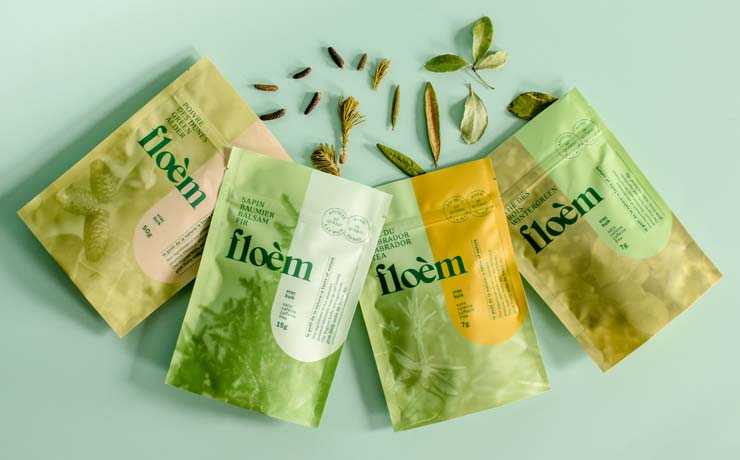





Wintergreen Tea: Discover the Hidden Treasure of the Boreal Forest and Its Health Benefits
Wintergreen tea, or Gaultheria procumbens, is an increasingly popular medicinal plant, prized not only for its healing properties but also for its unique taste and versatile uses. Discover its benefits, preparation methods, and where to find this natural treasure, all while exploring its natural habitat.
What Does Wintergreen Tea Taste Like?
Wintergreen tea is renowned for its delicate and refreshing flavour. Used to flavor candies, bubble gum, and even craft beers, it stands out for its light, slightly minty aroma.
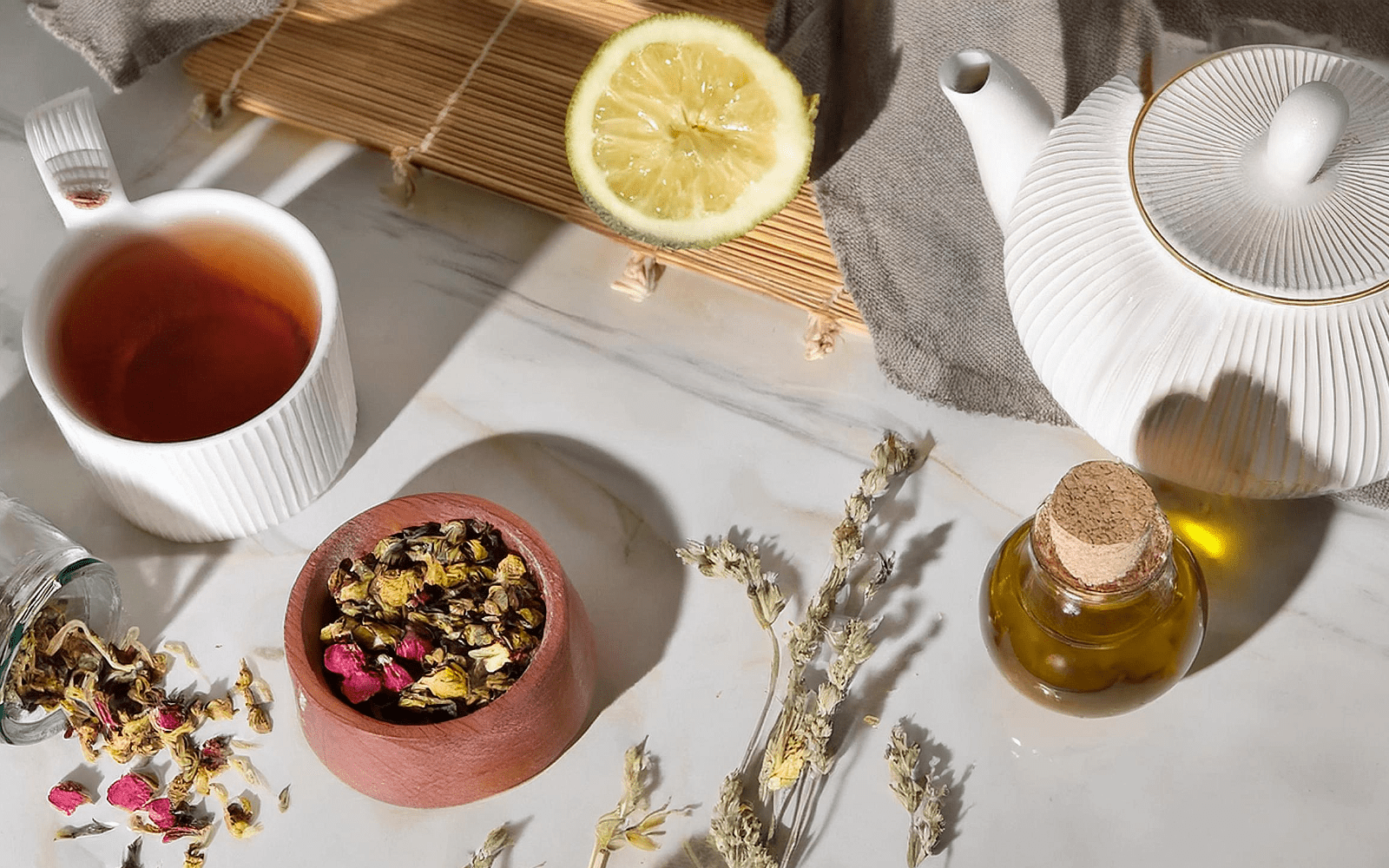
When brewed, its leaves yield a smooth, woodsy herbal tea with a subtle hint of mint that can be enjoyed hot or cold.

What Are Wintergreen Tea's Health Properties?
Wintergreen tea is a plant with many medicinal properties. Here are its main benefits:
- Analgesic: Relieves pain thanks to active compounds.
- Anti-inflammatory: Helps reduce inflammation, especially after physical exertion.
- Antirheumatic: Relieves pain associated with rheumatism and sciatica.
- Aromatic: Its intense scent is used in aromatherapy to soothe.
- Carminative: Helps reduce intestinal gas and relieves bloating.
- Diuretic: Stimulates the elimination of toxins through urine.
- Stimulant and tonic: Boosts energy and supports mental and physical vitality.
In short, Wintergreen Tea is a versatile medicinal plant, beneficial for respiratory health, pain relief, digestion, and overall well-being.
How to Use Wintergreen Tea?
For the perfect wintergreen tea, here are a few simple steps:
-
Measure the amount
Use 3 to 5 leaves per cup (250 ml) or 2 teaspoons of crushed leaves. -
Prepare the water
Heat the water to between 85°C and 95°C to avoid scorching the leaves. -
Brew
Let the leaves infuse for 10 minutes to release maximum flavour. -
Enjoy
Drink your tea hot, warm, or cold, depending on your preference.
Follow these steps for a brew that is both beneficial and delicious.
Traditional Uses of Wintergreen Tea
For centuries, the First Nations have used Wintergreen tea to relieve various ailments, including muscle pain, fever, and sore throats. In the 19th century, Samuel Thomson introduced it into herbal medicine to treat water retention.

Modern Uses of Wintergreen Tea
Wintergreen tea remains a cherished ingredient with versatile uses:
-
As a herbal tea: Used for its analgesic and anti-inflammatory effects.
-
As an iced infusion: The perfect recipe to refresh your summers.
-
Topical application: Infused oil helps relieve joint and muscle pain.
-
Aromatic bath: Add a few leaves to your bath for complete relaxation.
-
In the kitchen: Wintergreen tea powder is perfect for flavoring marinades, syrups, and pastries.
How to Store Wintergreen Tea
To preserve all of wintergreen's properties, store it in a cool, dark, dry place. Use an airtight container to protect it from moisture and light. Ensure the leaves are thoroughly dried (less than 4% moisture content) to prevent mold and deterioration
Where Does Wintergreen Grow?

How to Identify Wintergreen Tea?
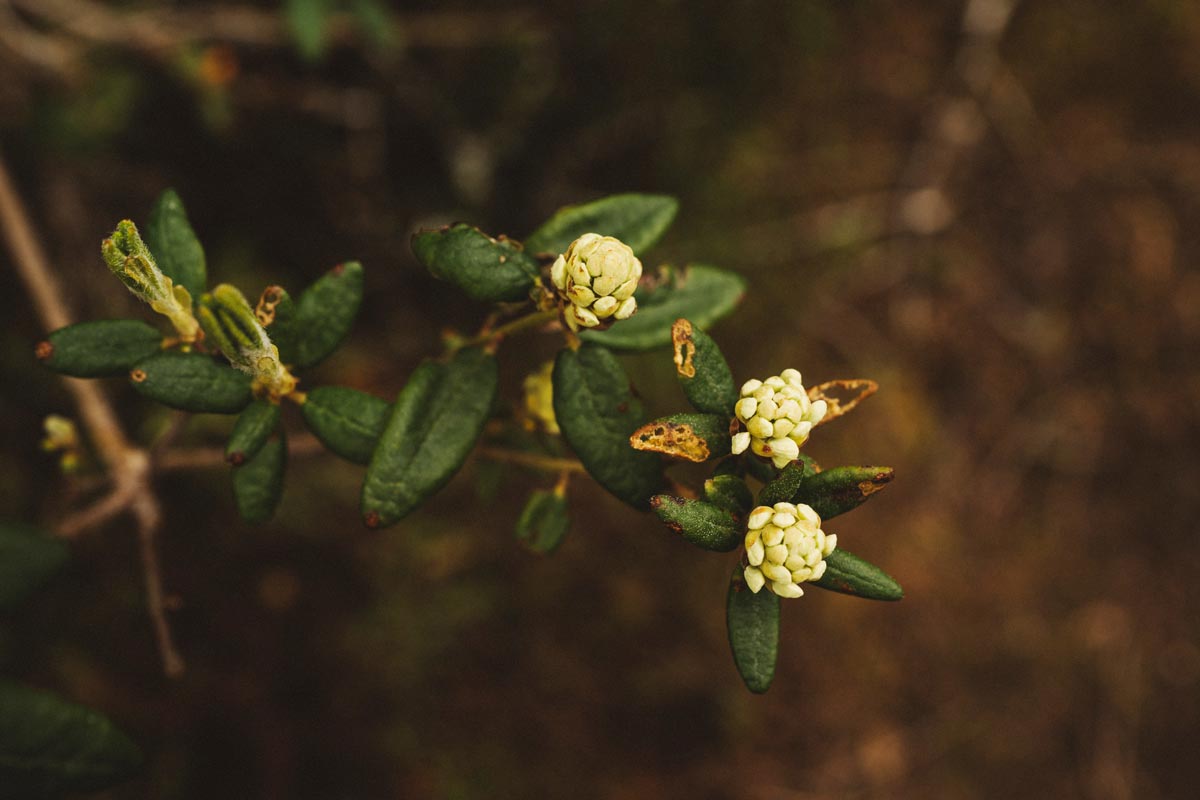
Wintergreen tea, or Gaultheria procumbens, grows in dry, acidic woods, pine groves, and coniferous forests. It is commonly found in the Abitibi and Gaspésie regions, as well as in deciduous and mixed forests across North America.
Where to Get Wintergreen Tea?
There are several ways to acquire wintergreen:
Wild Foraging
In areas where it grows naturally, you can harvest wintergreen yourself, provided you respect sustainable harvesting practices. Remember to pick only 20% to 30% of the leaves from any single plant.
Online
You can also purchase wintergreen directly from our online shop, where quality and sustainability are our top priorities.

Conclusion
Wintergreen tea, a medicinal plant with a unique taste, offers a multitude of health benefits. Whether enjoyed as an herbal tea, used as an essential oil, or as an ingredient in the kitchen, it deserves a place in your wellness routine. Discover it today and enjoy its natural therapeutic properties!
FAQ About Wintergreen Tea (Gaultheria Procumbens)
1. Does Wintergreen Contain Caffeine?
Wintergreen Tea (Gaultheria procumbens) is naturally caffeine-free, making it an excellent alternative for those looking for a soothing herbal tea without the stimulating effects of caffeine. It can be enjoyed at any time of day, even in the evening, without disrupting your sleep.
2. Can I Drink Wintergreen Tea Every Day?
Yes, wintergreen tea can be consumed daily in moderation. Thanks to its medicinal properties, it offers benefits for pain, inflammation, and digestion. However, it is important not to consume it in excess due to its salicylate content, especially for people sensitive to aspirin.
3. Is Wintergreen Tea Safe During Pregnancy?
As a precaution, it is recommended that pregnant and breastfeeding women consult their doctor before consuming wintergreen. Due to its active compounds being similar to aspirin, it is preferable to avoid consuming it during this period.
4. How Does Wintergreen Tea Help Relieve Muscle Pain?
Wintergreen is recognized for its analgesic and anti-inflammatory properties. It can be consumed as an infusion to help reduce muscle pain or applied as an infused oil for a localized massage, providing rapid relief for joint and muscle aches.
5. What Is The Difference Between Wintergreen Tea And Labrador Tea?
Wintergreen tea (Gaultheria procumbens) and Labrador Tea (Rhododendron groenlandicum) are two distinct medicinal plants with unique benefits. Wintergreen is renowned for its analgesic properties and minty taste, while Labrador Tea is prized for its digestive and relaxing effects. Each of these plants offers different benefits depending on your needs.
Sources:
-
Michel Leboeuf. (2016). Arbres et plantes forestières du Québec et des Maritimes. Éditions Michel Quintin.
-
Larousse. (2001). Encyclopédie des plantes médicinales : Identification, préparations, soins.
-
Plants for a Future – Herbier du Québec.
-
Espace pour la Vie. Gaulthérie couchée des bois.
-
Tree Canada. Trees of Canada.
-
National Center for Biotechnology Information. The early botanical medical movement as a reflection of life, liberty, and literacy in Jacksonian America. PubMed Central.




5 comments
Bonjour, je cherche un recette de crème brûlée au thé des bois. J’ai goûté ça au kinipy Spa à Trois-Rivières et c’est excellent! j’aimerais m’en faire à la maison, mais de quel façon j’utilise les feuilles de thé des bois?
Merci
Martine
Bonjour Jocelyne,
Oui le petit fruit rouge du thé des bois est comestible :)
Floèm
Est-ce que le fruit rouge est comestibles.
Jocelyne
Bonjour Celine, bien sûr, voici une recette simple pour faire de la gelée au thé des bois :
Ingrédients:
4 tasses de feuilles de thé des bois fraîchement cueillies
4 tasses d’eau
1 sachet de pectine liquide
3 tasses de sucre
Instructions:
Infusion: Rincer les feuilles de thé des bois à l’eau froide. Dans une grande casserole, porter l’eau à ébullition. Retirer du feu et ajouter les feuilles de thé des bois. Laisser infuser pendant 15 minutes.
Filtration: Filtrer l’infusion à travers un tamis fin ou une étamine, en pressant bien sur les feuilles pour extraire tout le liquide. Mesurer le liquide et ajouter de l’eau si nécessaire pour obtenir 3 tasses de liquide.
Cuisson: Verser le liquide dans une grande casserole et ajouter la pectine liquide. Porter à ébullition à feu vif, en remuant constamment.
Sucre: Ajouter le sucre en une seule fois et porter de nouveau à ébullition, en remuant constamment. Laisser bouillir pendant 1 minute.
Mise en pot: Retirer du feu et écumer la mousse qui se forme à la surface. Verser la gelée chaude dans des pots stérilisés, en laissant un espace de 1/4 de pouce en haut. Essuyer les bords des pots et fermer hermétiquement.
Stérilisation: Traiter les pots dans un bain-marie bouillant pendant 10 minutes. Retirer les pots et laisser refroidir complètement.
Conseils:
Pour une gelée plus ferme, utiliser 4 tasses de sucre au lieu de 3.
Pour vérifier si la gelée est prête, déposer une cuillère de gelée sur une assiette froide. Si elle se fige rapidement, elle est prête.
Vous pouvez ajouter une cuillère à soupe de jus de citron à la gelée pour une saveur plus acidulée.
Conservation:
La gelée au thé des bois se conserve plusieurs mois dans un endroit frais et sombre. Une fois ouverte, conserver au réfrigérateur.
Dégustation:
La gelée au thé des bois est délicieuse sur des rôties, des crêpes, des gaufres, ou comme accompagnement de viandes et de fromages.
J’espère que cette recette vous plaira! N’hésitez pas à me poser d’autres questions si besoin.
Floèm
Bonjour,
Auriez-vous svp, une recette de Gelée au thé des bois ?
Merci
Céline
Leave a comment
This site is protected by hCaptcha and the hCaptcha Privacy Policy and Terms of Service apply.