





Pork Medallions with Labrador tea, Sweet Gale, and Dune Pepper
Prep time: 15 min | Cook time: 15 min | Marinating time: 2 h | Servings: 5
Get ready to explore brand-new flavors with this exquisite recipe for pork medallions in a forest marinade.
We invite you on a culinary journey that pays tribute to our local terroir while delightfully surprising your palate.
The resinous sweetness of Labrador tea, the woody spice of dune pepper, and the incomparable aroma of sweet gale come together to create a truly unique marinade.
Ingredients from the Boreal Forest
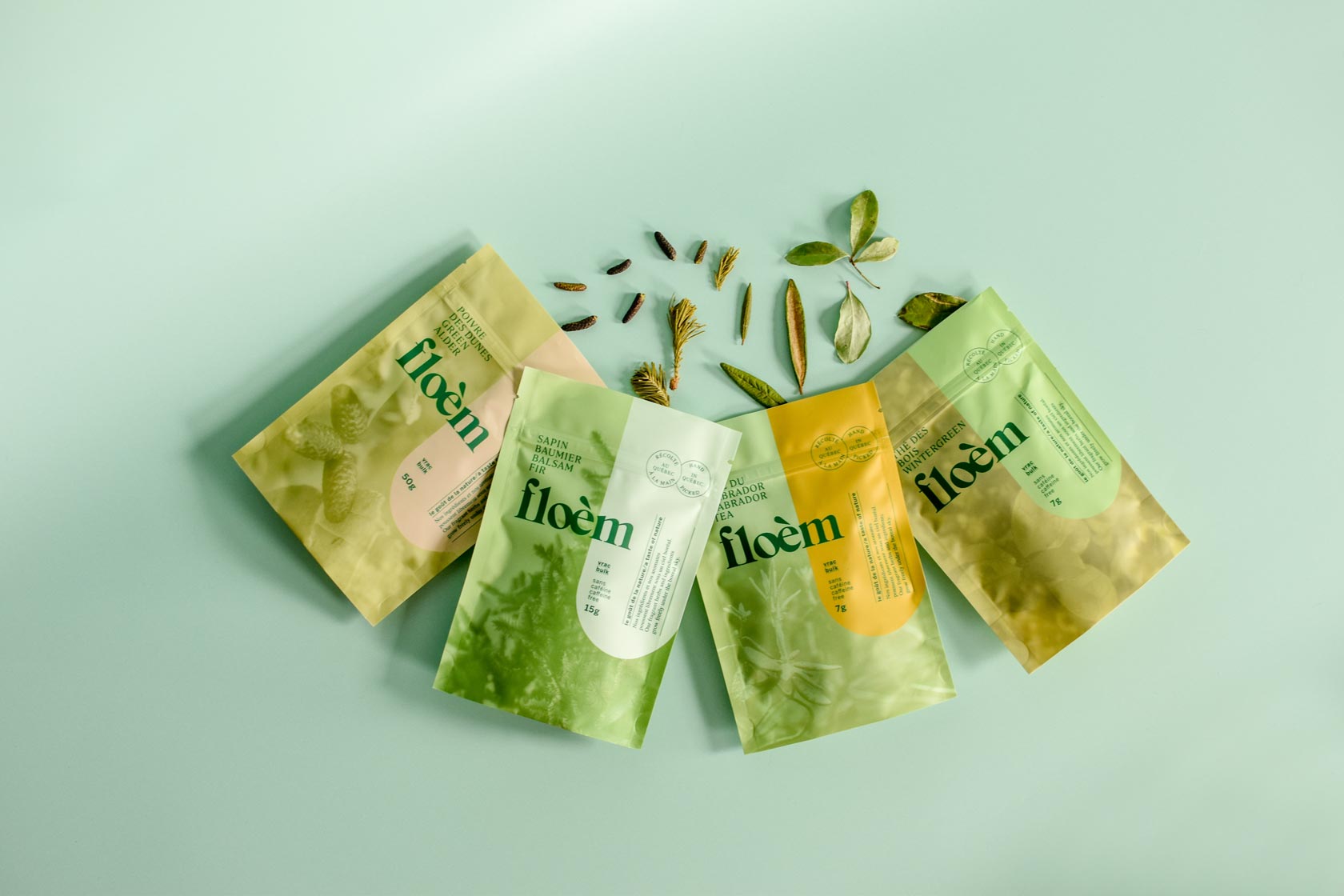
Before heading to the kitchen, take a moment to discover the wild gems of our flora that make up your marinade:
-
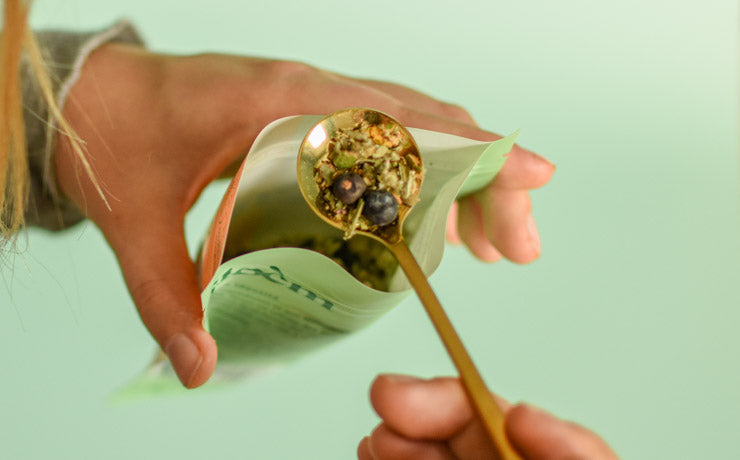
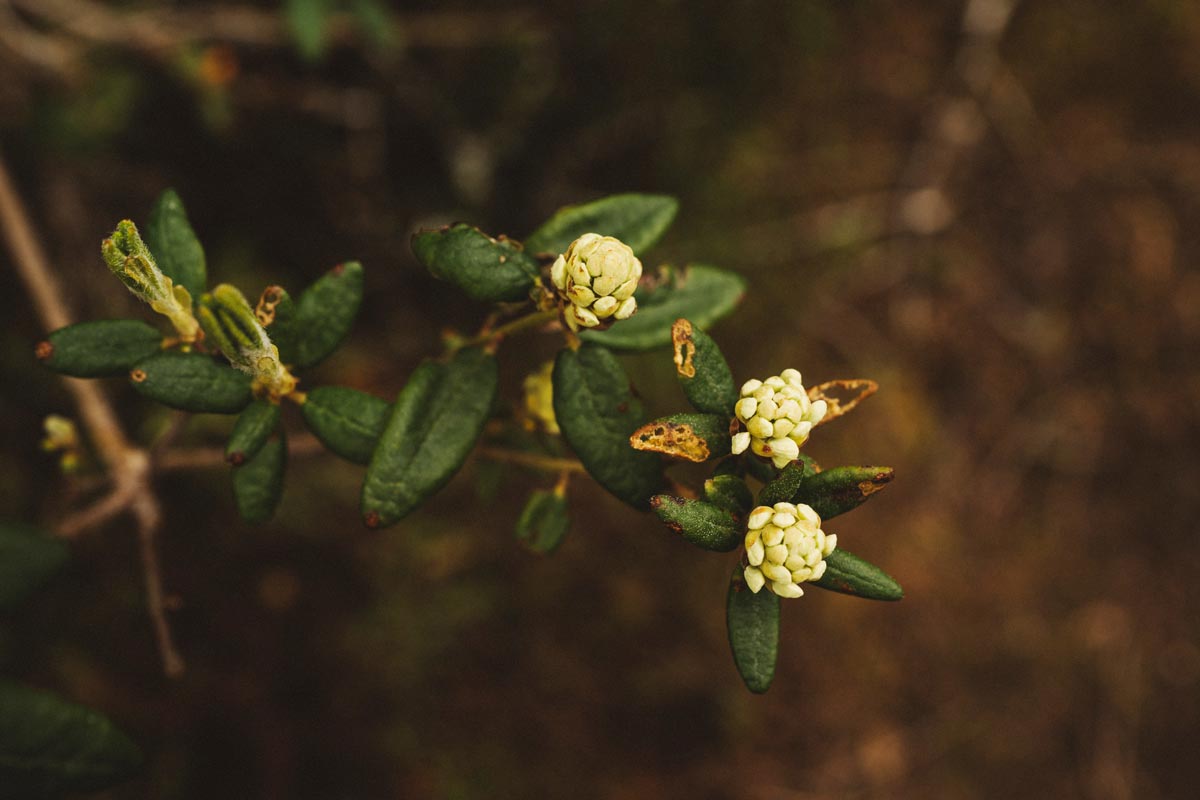
Labrador tea reveals an unusual woody flavor that gracefully oscillates between mint and fir resin. Its woody notes quickly give way to citrus accents, offering a most surprising freshness. On the finish, a delicate, subtly spicy touch often emerges, enhancing the dishes.
-
Dune pepper truly represents the aromas of the boreal forest. Its forest aromas are complemented by floral, almost musky touches, as well as citrus, sweet, and subtly fruity notes. It is also attributed with dill accents. Since some even find similarities with long pepper or cloves, it can eventually replace black pepper in most recipes.
-
Sweet gale is a true spice whose dried leaves (whole or ground) as well as its fruits (catkins and seeds) are used as a condiment. It is often referred to as "boreal nutmeg" due to its warm and peppery notes. On the finish, delicate nuances of citrus and eucalyptus can appear, leaving a pleasant sensation of freshness. This beautiful complexity makes it an extremely versatile ingredient, capable of replacing pepper, nutmeg, and bay leaf in your recipes, while bringing a unique "forest" signature.

Recipe ingredients
Boreal Marinade
-
240 ml (1 cup) boiling water
-
60 ml (4 tbsp) beef Bovril
-
60 ml (4 tbsp) honey
-
7 Labrador tea leaves
-
5 dune pepper catkins
-
3 branches of sweet gale catkins
Pork Medallions
-
2 pork tenderloins
-
15 ml (1 tbsp) oil
-
45 ml (3 tbsp) butter
-
Salt and pepper
Preparation and cooking steps
The marinade:
-
Remove the sweet gale catkins from their branches, then place only the branches in a heat-resistant container (mug, small Dutch oven, etc.).
-
Roughly chop the Labrador tea leaves, add them to the container, and pour in the boiling water. Let steep for 7 to 10 minutes, then strain through a sieve. (Tip: if you don't have a sieve, we suggest using a tea infuser.)
-
Finely chop the remaining sweet gale catkins and the dune pepper.
-
In a glass dish or a resealable bag, combine the infusion, chopped sweet gale and dune pepper, and the other marinade ingredients.
-
Add the meat, sliced into approximately 2 cm thick pieces, and make sure to coat it well so that the medallions have more surface contact with the marinade. Cover the dish or seal the bag, then refrigerate for at least 2 hours. (Tip: to make your marinade effective, it is best to let your preparation rest in the refrigerator to allow the aromas of the marinade to be released and properly infuse the meat.)
Cooking:
-
Remove the pork, drain it, and be sure to reserve the marinade.
-
In a large non-stick pan, brown the medallions in a drizzle of oil and a tablespoon of butter until pink (about 2 to 3 minutes per side). Season with salt and pepper at the end of cooking.
-
Remove the meat to a plate and cover with aluminum foil to keep warm.
-
Deglaze the pan with the reserved marinade. Bring to a boil, then reduce the heat to low and let the sauce simmer until reduced by about half. *see note
-
Remove from heat, then whisk in the remaining butter to thicken the sauce. Adjust seasoning if necessary (salt and pepper).
-
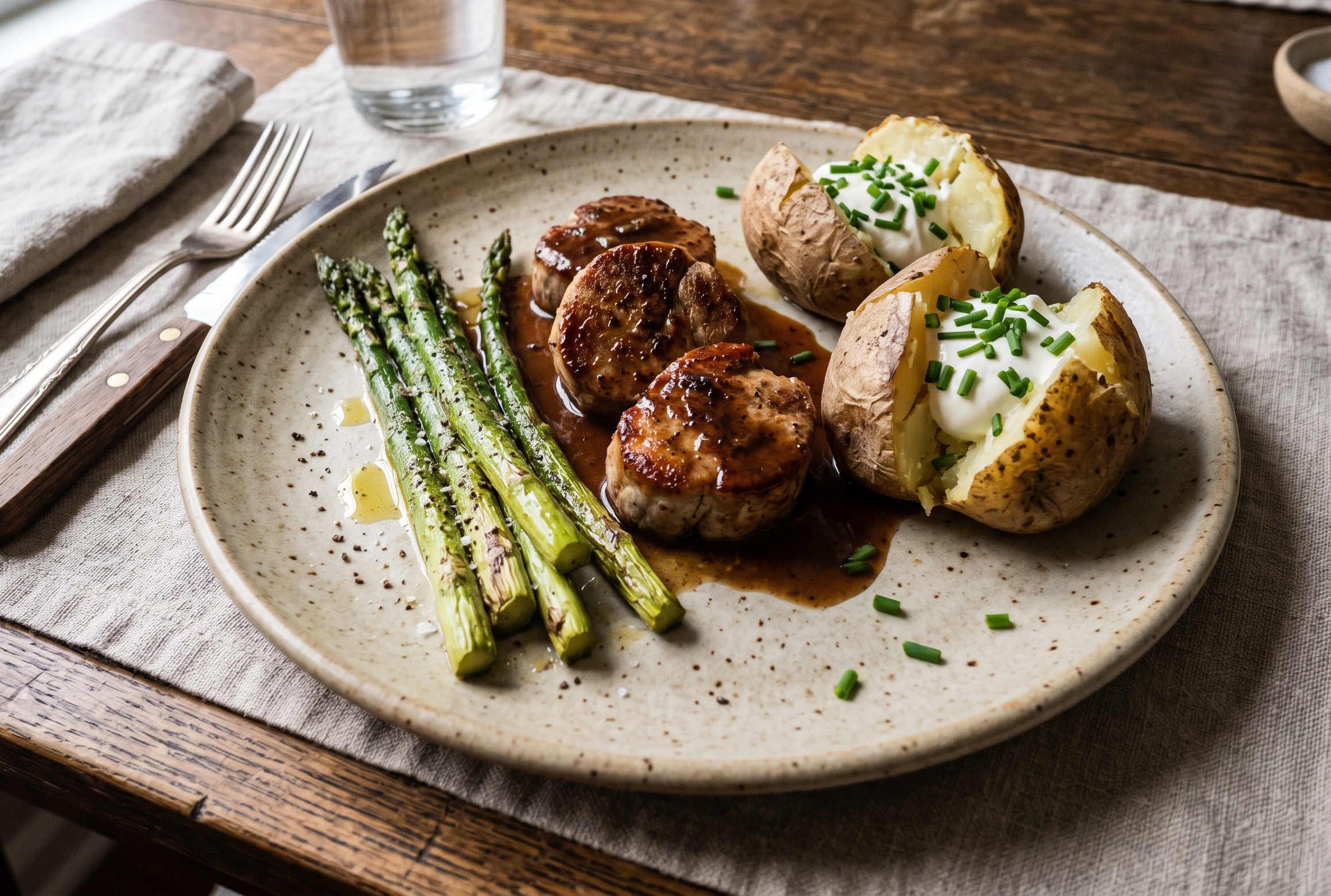
Serve the medallions generously with the sauce.
*Note: Forest aromatics can be sensitive to high heat and release bitterness at high temperatures. It is important to reduce the heat as soon as it boils and simmer on low heat for the rest of the cooking.
Serving and pairing suggestions
These forest pork medallions are absolutely delicious served with baked potatoes. Simply cover 2 large potatoes individually with aluminum foil and bake them at 200°C (400°F) for about 40 minutes. Then cut them in half lengthwise and top them with sour cream and chives. Add some sautéed asparagus with butter, and you're all set!
Why choose a boreal marinade?
Sourced from our forests, they contain rare and complex aromatic profiles, revealing unique and highly sought-after everyday tastes. In addition to their taste properties, these plants, little known to the general public, have been used for millennia for their natural virtues.
Ultimately, incorporating these products into your daily life means giving yourself the privilege of enjoying their many benefits. To discover other Quebec aromatics and inspirations, visit our collection of Quebec spices for cooking.







Leave a comment
This site is protected by hCaptcha and the hCaptcha Privacy Policy and Terms of Service apply.